Personal Finance Tips
4 min read
Smart Ways to Handle Debt and Stay Financially Stable
Discover practical and mindful ways to handle debt smartly. Learn how to manage loans, avoid stress, and stay financially stable without taking risky steps.
Browse 10 articles related to Debt Management
Discover practical and mindful ways to handle debt smartly. Learn how to manage loans, avoid stress, and stay financially stable without taking risky steps.
We’ve all been there – that moment when a shiny new gadget catches our eye, and our credit card seems to whisper, “Go ahead, swipe me!” But in today’s world of easy loans and quick credit, many of us are paddling in deeper waters than we realized. Let’s talk about something that affects many of us but few want to discuss: debt traps.
In times of economic crisis, the financial community has been more interested in the subject of loan moratoriums. As a short-term relief measure, they give borrowers an opportunity to defer loan payments for a specified period.
In the simplest sense, it is like quicksand; the more you try to get free from it, the deeper you get into it. This is the borrowing, repaying, borrowing, repaying—strange cycle that seems to define it. When people encounter stress-related insomnia, they feel as if they are in a bottomless pit of debt. The silver lining is that, with the right attitudes and strategies, one can avoid such a pitfall. Let us elaborate on this a little more.

One of the most overwhelming feelings in this world is the burden of multiple loans like personal loans, credit card dues, and payday loans, especially in a society like ours. We live in a society where taking loans is easy; however, financial literacy still lags behind. However, all it takes is the correct strategy, and with the right steps anyone can come out of this trap.
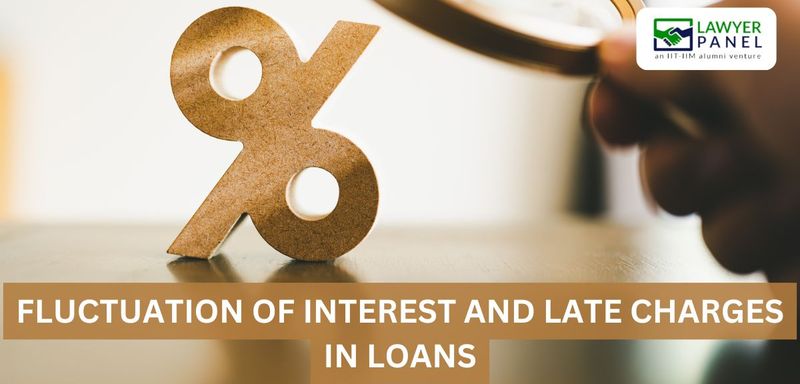
Interest is one of the primary factors in repayment terms for both personal and business loans. However, fluctuations in interest rates and additional charges can alter the entire repayment plan. Market forces often affect interest rates, and if the borrower fails to meet the repayment deadline, late charges are typically imposed. Both of these factors can add to the financial burden of the borrower.
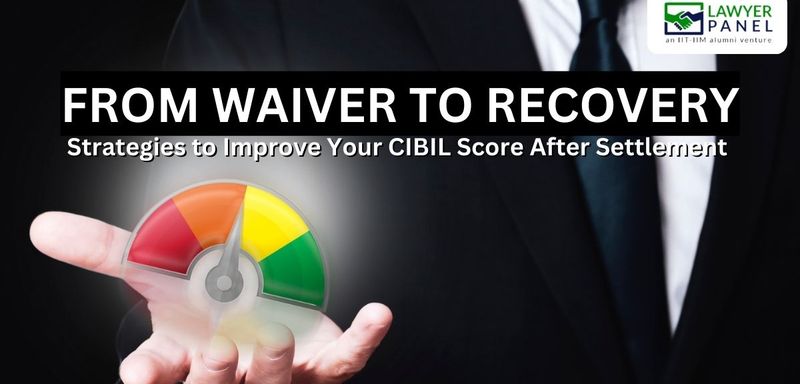
An important consideration when evaluating your creditworthiness for credit cards and loans is your CIBIL score. A poor score can seriously impair your ability to obtain credit, particularly after a settlement with a bank or other financial institution. Settlements, in which the lender agrees to accept a smaller sum than what was initially owed, are often used as a last resort to settle debt. Although this resolves the debt immediately, it negatively impacts your credit report and lowers your CIBIL score.

In times of financial trouble, when monthly payments exceed what you earn, there’s a helping hand. Mr. X’s story illustrates how this assistance empowers individuals to overcome debt challenges and move towards a brighter financial future.

A credit score serves as a financial report card, influencing various aspects of one’s financial life. In India, understanding the elements that contribute to a strong credit rating is essential for individuals seeking financial stability and flexibility.
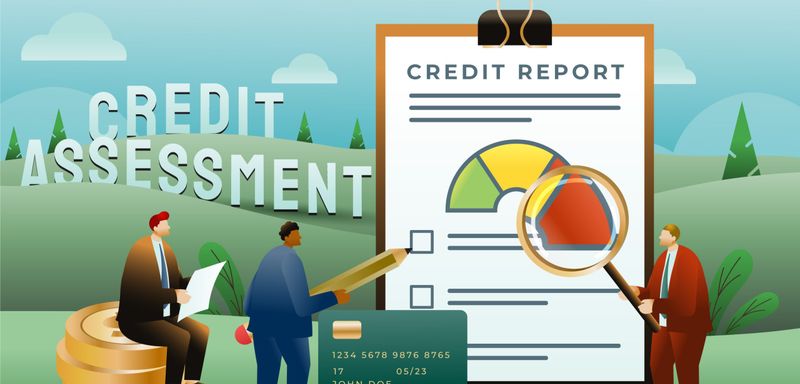
A bad credit score can be a significant obstacle when it comes to accessing loans, securing favorable interest rates, or even finding housing. However, having a bad credit score is not a life sentence. In this blog post, we’ll delve into what bad credit means, its potential causes, and steps you can take to improve your financial standing.
Our experienced debt resolution team is here to help you resolve loan EMI problems, stop recovery harassment, and settle credit card or personal loan dues with clarity, care, and confidence.
Connect with our Experts Now