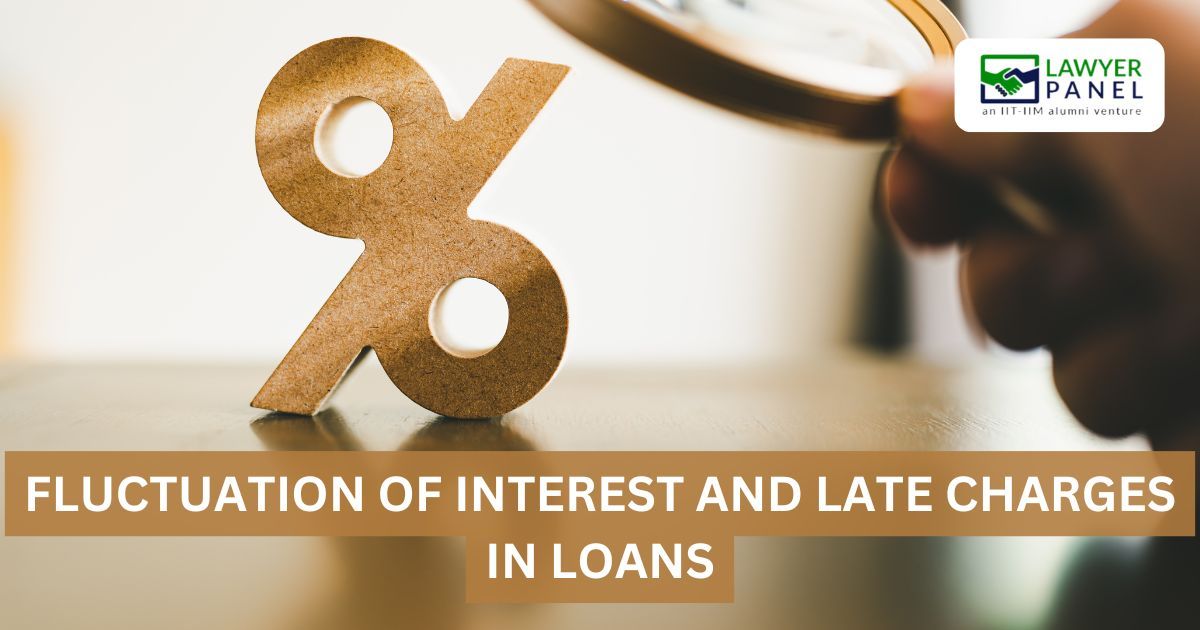
Interest is one of the primary factors in repayment terms for both personal and business loans. However, fluctuations in interest rates and additional charges can alter the entire repayment plan. Market forces often affect interest rates, and if the borrower fails to meet the repayment deadline, late charges are typically imposed. Both of these factors can add to the financial burden of the borrower.
Interest Rate Fluctuations: Causes and Consequences
When a borrower takes out a loan, they can have two types of interest: fixed or variable. The fixed rate remains constant throughout the loan term, offering borrowers a predictable and stable repayment plan. Variable interest rates, commonly applied to home and business loans, fluctuate due to inflation, central bank policies, or economic shifts. While falling rates can reduce payments and provide relief, variable interest loans make repayment plans less stable, which can pose challenges for borrowers.
The Burden of Late Charges: Penalties for Missed Payments
When a borrower misses a loan repayment, late charges may be imposed as penalties. This system is designed to encourage timely payments and compensate the lender for increased risk. These penalties can be either a fixed amount or a percentage of the remaining loan balance. Accruing late penalties can significantly increase a borrower’s financial burden, especially if missed payments result in more interest being added to the debt. This can start a vicious cycle of rising expenses, making it harder to repay the loan and worsening the borrower’s financial situation.
Effects on Borrowers: Financial Stress and Long-Term Consequences
Fluctuating interest rates and accumulating late charges can drastically increase the overall cost of a loan, causing financial strain for the borrower. A borrower who is initially able to pay on time may find themselves unable to meet their obligations due to rising costs. Those on tight budgets may struggle to keep up with payments, leading to further complications.
If the situation worsens, lenders may take extreme measures such as initiating legal action or repossessing assets in the case of secured loans. Loans could also be sold to collection agencies. In such cases, considering settlement may be the best course of action for borrowers.
How Borrowers Can Protect Themselves
- Choose Fixed-Rate Loans: For long-term loans, opting for a fixed interest rate can provide more stability, allowing borrowers to plan their repayment schedules and manage their finances more effectively.
- Establish an Emergency Fund: Maintaining an emergency fund serves as a financial cushion to cover unexpected expenses, such as those arising from fluctuating interest rates or late fees.
- Examine Loan Terms: Understanding loan terms, particularly those related to interest rate fluctuations and late fees, allows borrowers to better anticipate future costs and make informed decisions. Being well-versed in loan terms helps manage finances more wisely.
Conclusion
Fluctuations in interest rates and late fees can significantly impact the cost and manageability of loans. Variable interest rates expose borrowers to market risks, while late fees penalize missed payments, compounding financial difficulties. By understanding these factors and taking proactive measures, both individuals and businesses can avoid excessive debt and financial strain. Successfully navigating variable loan conditions ultimately comes down to making informed decisions and maintaining open communication with lenders.