Good Credit Score in India: What It Means and How It Works
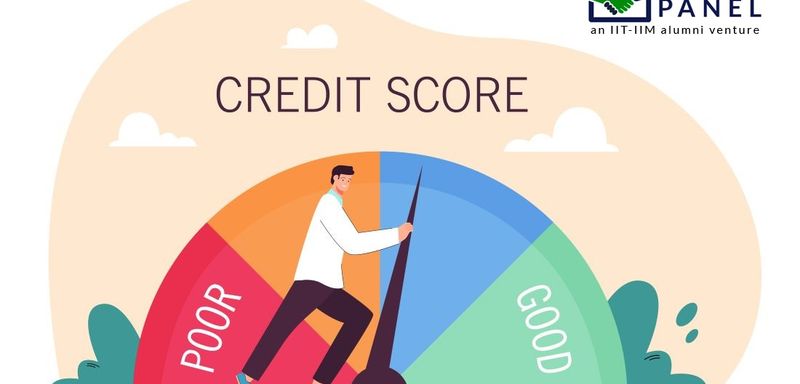
Understanding a good credit score in India is essential for anyone planning to take out loans or use credit facilities. In simple terms, your credit score reflects how well you manage your money. It’s based on factors like your payment history, current debt levels, credit utilization, and the length of your credit history. Achieving a good credit score requires maintaining financial discipline and meeting your financial commitments. Once you have a good credit score, you can enjoy advantages such as faster loan approvals, better interest rates, and a wide range of financial opportunities.
Let’s simplify the puzzle and explore the key elements that make up a strong credit rating.
The Foundation: Paying on Time
Paying your bills on time is like keeping a promise to lenders. It shows you’re responsible and can be trusted. When you consistently pay on time, you build a positive record, making lenders more likely to offer you better deals in the future. It’s not just about avoiding extra fees; it’s about proving you’re committed to meeting your financial promises.
Balanced Credit Use
Imagine your credit like a delicate balancing act. If you use too much of it, lenders might get concerned. Keeping a balance, ideally using less than 30% of what’s available, tells lenders you’re good at managing your money without relying too much on credit. It’s like saying, “I can handle my finances without using all the credit I have.
Long-Term Credit Behavior
Think of your credit history like a story. The longer the story, the better lenders can understand your money habits. Having a history of handling credit well over time shows lenders they can trust you to be responsible. It’s like telling lenders, “I’ve been good with money for a long time, and I’ll continue to be.
Diverse Credit Portfolio
Having different types of credit is like having a variety of tools. Lenders like it when you show you can handle different money responsibilities. It’s a way of saying, “I’m good at managing different parts of my financial life.” Whether it’s credit cards, loans, or retail accounts, having a mix suggests versatility in handling various financial aspects.
Smart Debt Handling
Managing debt wisely involves more than just making minimum payments. It’s about being smart with how much you owe. Keeping credit card balances low, paying off debts systematically, and not taking on too much debt show lenders you’re good at handling your money responsibly. It’s like telling lenders, “I’m careful with my debts, and I only borrow what I can comfortably repay.
In summary, these elements together create a picture of how good you are with money. Lenders look at this picture to decide if they can trust you with loans and other financial opportunities. So, being responsible with your money not only helps your credit score but also opens doors to better financial deals.