
Personal Finance Tips
4 min read
Improve Your Credit Score in 2026 with 5 Simple Steps
Learn simple and practical ways to improve your credit score in 2026 by understanding repayment habits, credit usage, and financial discipline.
Browse 11 articles related to Credit Score
Learn simple and practical ways to improve your credit score in 2026 by understanding repayment habits, credit usage, and financial discipline.

Defaulting on a loan is a challenging experience that can significantly impact your credit score and financial opportunities. However, default doesn’t have to be the end of the road. With the right strategy, patience, and commitment, it’s possible to rebuild your credit and regain financial stability. Here’s a guide to help you navigate the steps toward credit recovery and restore your creditworthiness.

Explore the pros, cons, legal safeguards, and credit impact of One-Time Settlement (OTS) in India. Learn when to opt and how to negotiate effectively.
Learn the legal framework of loan restructuring, RBI guidelines, and their impact on borrowers and lenders. A practical approach for managing financial hardship.
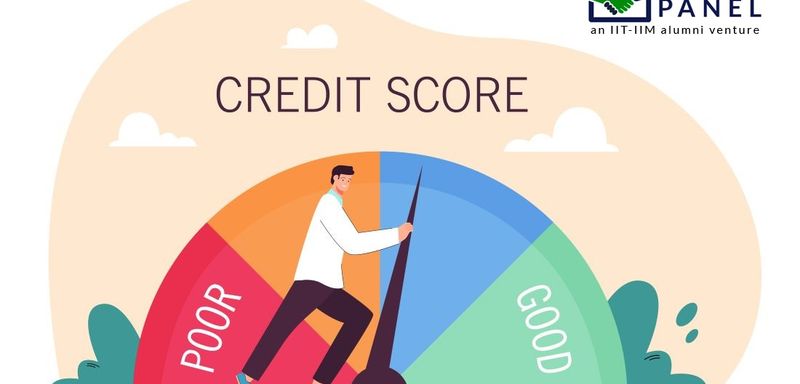
A credit score is a three-digit number used by banks, NBFCs, and lenders to assess whether a person is eligible for a loan or line of credit. It was Bill Fair and Earl Isaac who founded Fair, Isaac, and Company in 1956, creating a standardized credit scoring system. It represents the level of credit risk a person poses. Despite its significance, many people have limited understanding of what a credit score is and how it fluctuates. Every individual is assigned a personal credit score, even within a marriage, indicating the risk associated with providing them a loan or line of credit. Credit scores typically range from 300 to 900, with higher scores indicating lower interest rates on repayments.
Understanding borrower rights is crucial in navigating loans. From interest rate regulations to legal protections, ensure transparency and fairness while safeguarding against unfair lending practices and harassment.

Today, we delve into the glittering world of finance by trying to understand the link between gold loans, credit scores, and points to consider before you take the loan. Do you possess a collection of gleaming gold treasures, but suddenly, you need to utilize these treasures as collateral for a loan? This opens a door to a world where your credit score takes a backseat. “How does that work?” you may wonder. Let’s understand the connection between gold loans and credit scores before we proceed.
If you’ve taken out a personal loan in India, understanding the potential fallout for not repaying is crucial. Non-repayment can lead to serious financial challenges, prompting legal action from lenders. This may involve court orders, demanding full repayment or facing penalties like wage garnishment or asset seizure. Moreover, your credit score can be adversely affected, making it tougher to secure future loans. Late payment fees and possible interest rate hikes further compound the consequences, with potential involvement of debt collectors if payments become overdue, causing stress and harm to your reputation.

A credit score serves as a financial report card, influencing various aspects of one’s financial life. In India, understanding the elements that contribute to a strong credit rating is essential for individuals seeking financial stability and flexibility.

Defaulting on a loan is an unfortunate scenario many individuals find themselves in, often due to unforeseen circumstances. In India, this predicament brings with it the potential for legal actions, making it crucial for individuals to navigate this complex landscape wisely. This blog seeks to be a comprehensive guide, shedding light on the legal ramifications loan defaulters may face, offering actionable steps if you find yourself in this situation, and providing insights on how to protect your rights throughout the process.
A bad credit score can be a significant obstacle when it comes to accessing loans, securing favorable interest rates, or even finding housing. However, having a bad credit score is not a life sentence. In this blog post, we’ll delve into what bad credit means, its potential causes, and steps you can take to improve your financial standing.
Our experienced debt resolution team is here to help you resolve loan EMI problems, stop recovery harassment, and settle credit card or personal loan dues with clarity, care, and confidence.
Connect with our Experts Now