Dreams are powerful.
A better phone, a bigger house, a comfortable lifestyle, a vacation you always wanted — we all work hard to achieve these goals. But today, most dreams are backed by something else too , monthly EMIs.
This “EMI lifestyle” has become the new normal.
People buy premium gadgets, cars, appliances, and travel packages, all on easy installments. On the surface, it looks manageable. But behind the scenes, EMIs can carry silent pressure, especially when income becomes unstable or expenses rise unexpectedly.
And if an EMI goes unpaid, the pressure doesn’t stay silent for long.
When EMI Delays Turn Into Stressful Recovery Calls
Missing an EMI is more common than people think, but the consequences can be overwhelming.
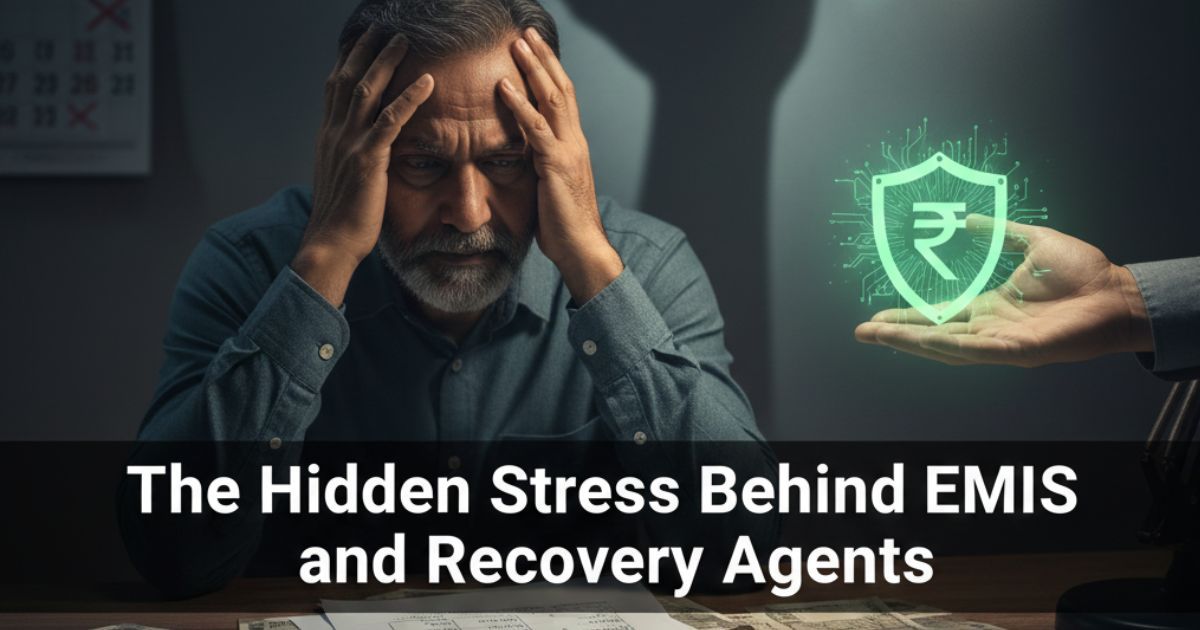
A simple delay of 30 days can lead to repeated follow-up calls, SMS reminders, and eventually, calls from recovery agents if the delay continues.
Many borrowers do not realise how quickly a small delay turns into serious mental pressure. In India, lakhs of people each year face harsh recovery tactics , sometimes at their workplace, sometimes at home, and sometimes through constant phone calls.
This is not just a financial issue.
It affects mental health, confidence, and daily life.
Why So Many People Fall Into EMI Trouble
There are a few common reasons:
Living Beyond Income
With easy financing, people commit to EMIs that consume more than 30 to 40 percent of their monthly earnings.
Unexpected Life Events
Job loss, medical expenses, salary delays, or family emergencies can easily disturb EMI schedules.
Multiple High Interest Loans
Small-ticket loans, BNPL products, and credit cards are easy to take but difficult to track. Borrowers often juggle multiple payments.
Lack of Awareness
Most people don’t know that the first 30 days of EMI delay are the most crucial for negotiation and account stabilisation.
The First 30 Days After EMI Delay Matter the Most
The biggest mistake borrowers make is waiting too long.
The first 30 days give you the highest chance to:
● Avoid high penalties
● Request restructuring
● Negotiate new EMI terms
● Stop the account from going into recovery
● Prevent your number from being given to recovery agents
Banks prefer resolving issues early, but borrowers often react only when calls become aggressive. By then, the stress has already escalated.
How to Prevent Harassment and Reduce Your EMI Stress
1. Contact the Bank Immediately
Inform the lender even before your EMI bounces. Early communication helps your case and protects your record.
2. Negotiate or Request Short-Term Relief
Banks can offer temporary reduced EMIs, moratorium, or date adjustments.
3. Prioritise High Interest Loans
Clear or restructure credit cards and personal loans first. These cost the most in the long run.
4. Avoid Taking New Loans to Pay Old Ones
This is one of the fastest ways to fall into a deeper debt trap.
5. Know Your Legal Rights
Recovery agents cannot:
● Harass you
● Threaten or abuse you
● Call between 7 pm and 9 am
● Contact your employer or family unnecessarily
If this happens, you have the right to file a complaint.
Your Dreams Matter, but Smart Planning Matters Even More
Ambition is important.
Dreams inspire growth.
But smart financial planning keeps those dreams safe.
EMIs are not the enemy , mismanagement is.
Recovery agents are not the problem , lack of early action is.
If you delay EMIs without a plan, the chase becomes stressful. But with smart steps, negotiation, and early communication, you can stay ahead and maintain control.
Your dreams should chase you , not the recovery agents.