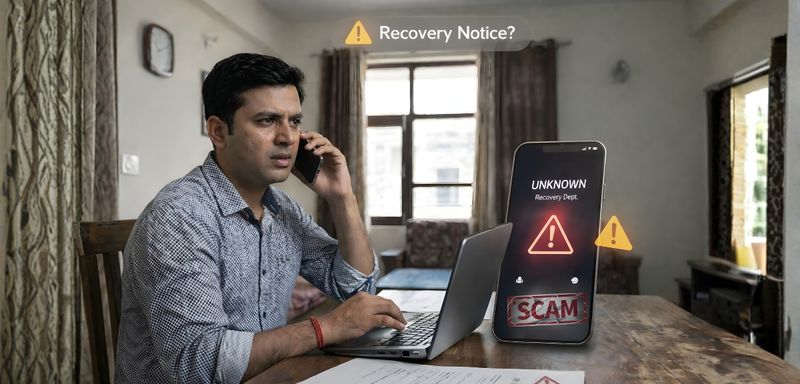
Many borrowers ask a common question: Can recovery agents call after 7 PM?
If you have ever received late evening calls regarding loan repayments, you may have felt confused or uncomfortable. Financial stress itself can be overwhelming, and repeated calls outside regular hours often increase anxiety.
Understanding what RBI says about calling after 7 PM helps borrowers respond calmly and responsibly.
Why Call Timing Matters
Loan repayment discussions can be sensitive. Borrowers may be dealing with:
- Job stress
- Family responsibilities
- Business pressure
- Health concerns
Calls at odd hours may feel intrusive. Because of this, regulatory guidelines generally emphasise respectful communication and reasonable timing.
What RBI Guidelines Focus On
The Reserve Bank of India has issued conduct guidelines for banks and recovery agents. These guidelines generally stress:
- Professional behaviour
- Respectful communication
- Avoidance of harassment
- Protection of borrower dignity
While borrowers often discuss specific time limits online, the broader principle behind RBI guidance focuses on fairness and reasonable communication practices.
The core idea is that recovery efforts should not become intimidation.
Are Recovery Calls Allowed After 7 PM?
Borrowers frequently believe that calls after a certain evening time are automatically illegal. However, communication practices depend on guidelines, lender policies, and specific circumstances.
RBI guidance broadly encourages recovery communication to take place during reasonable hours. The intention is to prevent undue pressure or harassment.
If calls feel excessive, threatening, or deliberately intrusive, it may raise concerns about conduct standards rather than just timing.
Difference Between Reminder and Harassment
There is an important difference between:
- A polite repayment reminder
- Aggressive or threatening communication
Recovery communication becomes problematic when it includes:
- Repeated excessive calls
- Intimidating language
- Threats of arrest without proper procedure
- Contacting unrelated individuals unnecessarily
The concern is not only about the clock but about behaviour.
What You Can Do If Calls Feel Inappropriate
If you believe recovery communication is happening at unreasonable times or in an inappropriate manner, consider the following steps:
1. Document Communication
Keep records of call timings, messages, and conversations.
2. Communicate Calmly in Writing
You may politely request that communication remain within reasonable hours and professional boundaries.
3. Verify the Caller
Confirm whether the person is officially authorised by the lender.
4. Review RBI Conduct Guidelines
Understanding regulatory principles helps you respond confidently.
When Timing Becomes a Concern
Even if a single late call occurs, it may not automatically indicate wrongdoing. However, repeated or deliberately intrusive communication may require attention.
Borrowers have the right to dignity and respectful treatment during recovery discussions.
How Structured Debt Resolution Helps
Sometimes repeated calls occur because repayment communication has broken down. Exploring structured repayment discussions or settlement awareness may help reduce repeated contact.
Clear communication often prevents escalation.
If recovery calls are becoming stressful or intrusive, you may consider seeking structured support through platforms like LawyerPanel.org, which assist borrowers in handling such concerns responsibly.
Common Misunderstandings
Myth: Any call after 7 PM is automatically illegal
Guidelines focus on reasonable conduct and professional behaviour rather than isolated timing alone.
Myth: Ignoring calls solves the problem
Ignoring communication may sometimes increase pressure. Calm engagement often works better.
Myth: Recovery agents can threaten arrest over the phone
Legal processes follow structured procedures. Threat-based communication may raise concerns.
Why Awareness Is Important
Financial hardship does not remove your rights as a borrower. At the same time, lenders are entitled to recover legitimate dues through lawful and respectful means.
Balanced awareness protects both sides from unnecessary conflict.
Understanding RBI’s broader intention, fair and dignified communication, helps borrowers approach recovery discussions calmly instead of reacting emotionally.
Conclusion
Questions about calls after 7 PM usually arise from concerns about harassment and privacy. RBI guidelines emphasise professionalism, dignity, and reasonable communication practices.
If calls feel excessive or threatening, documenting communication and seeking clarity is often more effective than reacting in anger.
Financial challenges can happen to anyone. Handling them responsibly while understanding your rights can reduce both stress and escalation.