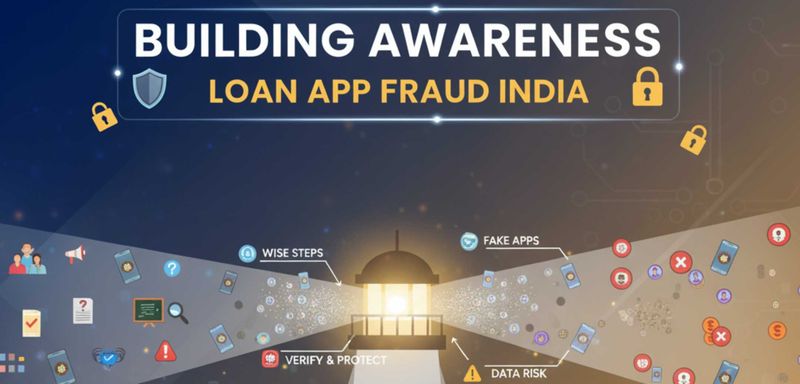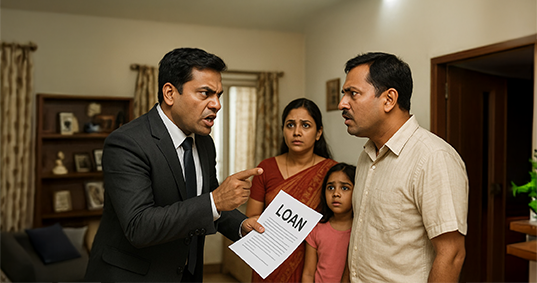
In recent years, digital lending platforms and instant loan apps have grown rapidly in India. While these apps provide quick access to credit, many operate without regulation and resort to unethical recovery methods. Borrowers often face harassment through threatening calls, abusive messages, and public humiliation. Victims must know that Indian law offers several legal remedies to address such misconduct.
Common Harassment Methods Most fraudulent or unregulated loan apps use aggressive recovery strategies that cross all ethical and legal boundaries. Victims frequently report receiving incessant calls not only to themselves but also to family members, friends, and colleagues. In extreme cases, recovery agents send abusive or obscene messages, morph photos, or even publicly defame borrowers on social media. Such acts are clear violations of privacy and cause severe emotional distress. Even if a loan is genuine, lenders are required to follow the RBI’s Fair Practices Code, which explicitly prohibits intimidation and harassment. (See RBI Fair Practices Guidelines)
Relevant Provisions under IPC and IT Act Indian law provides clear protection against harassment and online defamation:
Section 503 IPC – Criminal intimidation
Section 507 IPC – Intimidation through anonymous communication
Section 509 IPC – Insulting the modesty of a woman
Section 500 IPC – Defamation
Section 66E, IT Act (2000) – Violation of privacy
Section 67, IT Act (2000) – Publishing or transmitting obscene material electronically
Victims can take criminal action against recovery agents or app operators by citing these provisions. For detailed legal guidance, you can consult verified professionals through: 👉 Lawyer Panel – File a Complaint Online
Cybercrime Complaint Procedure Since most harassment occurs via WhatsApp, SMS, or online platforms, the Government of India allows victims to file complaints directly through: 🔗 National Cybercrime Reporting Portal To file a complaint, victims should:
- Collect screenshots, call recordings, and messages as evidence.
- File the complaint on the above portal or at their local police station.
- Mention the app name, lender’s details, and attach any payment or chat records.
Complaints can be filed from anywhere in India, as cybercrimes have no territorial limitation.
Role of Police and RBI Police play a crucial role in investigating cases of criminal intimidation, extortion, and defamation. They can trace offenders through digital footprints and take legal action under applicable laws. The Reserve Bank of India (RBI) has also issued strict digital lending guidelines (2022) requiring that all loan apps be linked to RBI-registered banks or NBFCs. If a regulated lender or app violates these principles, borrowers can file a complaint with the RBI Ombudsman via https://cms.rbi.org.in.
Remedies through Consumer Courts Victims can also approach Consumer Courts under the Consumer Protection Act, 2019. This law allows individuals to file cases against unfair trade practices, excessive interest rates, or emotional distress caused by harassment. If the borrower has suffered mental trauma, reputation damage, or financial loss, consumer courts can order compensation. These forums are known for being cost-effective and faster than civil courts.
Conclusion While instant loan apps make borrowing easier, their misuse has caused widespread mental stress and financial exploitation. Victims must remember: you are not powerless. Legal remedies exist under IPC, IT Act, Consumer Protection Act, and RBI regulations. Timely action—through filing complaints, gathering evidence, and seeking expert advice—can help restore justice and dignity. To understand your rights better and file complaints online, visit: 🔗 ExpertPanel.org | LawyerPanel.org |