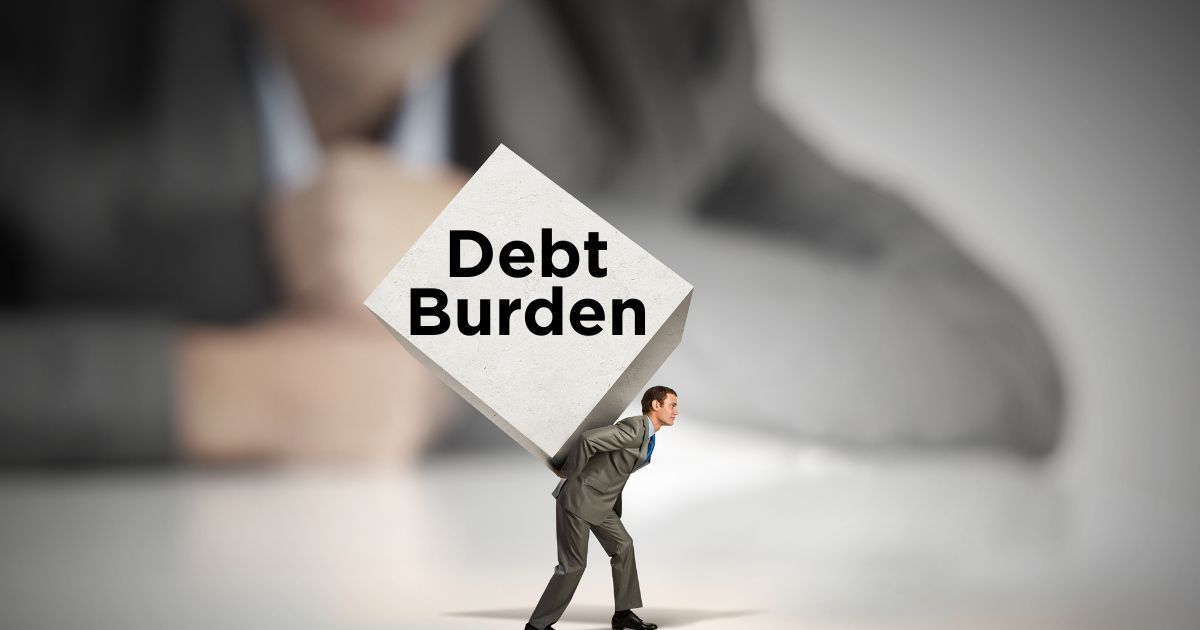
Many Indians, individuals, and companies are now concerned with repaying debts. Shocks to the economy, job losses, and health issues often prevent borrowers from RBI Guidelines keeping up with payments. As a result, negotiating with lenders becomes crucial.
The goal of debt negotiation is to reduce the total amount owed, ease financial strain, and avoid legal consequences. Understanding the importance of such negotiations empowers borrowers to live responsibly while protecting their legal rights.
Strategies for Reducing Repayment Amounts
To reduce repayment pressure, borrowers need a strategic approach. Start by assessing your debt and collecting proof of financial hardship, such as reduced income, medical bills, or urgent expenses. Once your case is ready, initiate an open conversation with your lender.
One common strategy is to offer a lump sum payment for an out-of-court settlement. Lenders often agree to waive a portion of the loan to recover funds quickly. Another method is negotiating with credit card companies for reduced interest rates or extended repayment terms to lower monthly installments.
In all cases, transparency builds trust and increases the chances of a favorable outcome.
Understanding Debt Restructuring Options
Debt restructuring in India depends on the lender and borrower profiles. One popular method is loan rescheduling, which allows for extended repayment timelines.
Some banks and financial institutions also offer One-Time Settlements (OTS)—where a borrower pays a reduced amount to close the loan. If you have assets, you may be able to convert an unsecured loan into a secured one to get a lower interest rate. However, this does come with the risk of asset seizure if you default.
In cases of natural disasters or pandemics, the RBI’s restructuring guidelines can provide temporary relief through deferred payments.
When to Approach Lenders for Relief
Timing is everything. Don’t wait until your finances spiral out of control—reach out as soon as you anticipate repayment challenges.
Early intervention improves your chances of renegotiating terms. Ignoring lender communication could lead to legal action and serious damage to your credit score. It’s wise to consult financial advisors or legal professionals early to strengthen your case and protect your rights.
Finally, Finding a Path to Financial Relief Through Negotiation
Seeking repayment relief through banks is a key solution to India’s financial crisis. It helps borrowers meet obligations on revised terms, avoid legal stress, and protect their long-term financial health.
Whether through restructuring, settlement, or rescheduling, borrowers have options. With clear communication and strong documentation, you can resolve debt efficiently—and move toward lasting financial recovery.